Florida Day in the Life Video Production for Personal Injury, Catastrophic Injury & Wrongful Death Cases
"Helping Florida families and attorneys tell the full story through video — every day counts."
~James
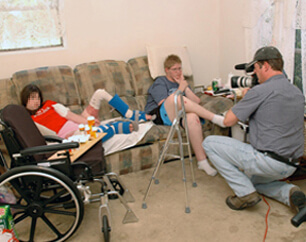
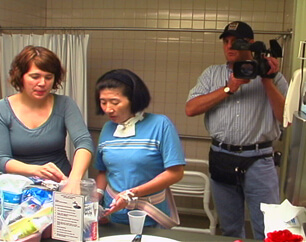

A Day in the Life video is a professionally produced legal documentary that shows how an injury affects a person’s ability to function in daily life.
In Florida personal injury litigation, these videos are used to bridge a critical gap between medical documentation and real-world human impact. While records and testimony describe injuries, video evidence demonstrates them.
For attorneys, Day in the Life videos are most commonly used in mediation, settlement negotiations, and trial preparation to communicate damages in a clear and persuasive visual format.
What a Florida Day in the Life Video Is Used For
Day in the Life videos function as demonstrative evidence that translates complex injuries into observable daily impact.
They are commonly used during:
- Mediation presentations
- Settlement negotiations
- Trial preparation exhibits
- Expert review and case evaluation
- Life care planning support
In each setting, the purpose is the same: to help decision-makers understand the real-world consequences of an injury in a way that written records cannot fully convey.
Types of Cases That Use Day in the Life Videos
These videos are most effective in litigation involving long-term or permanent injury.
They are commonly used in:
- Traumatic brain injury (TBI) cases
- Spinal cord injury and paralysis cases
- Amputation and crush injury cases
- Burn injury litigation
- Wrongful death cases
- Medical malpractice claims
- Birth injury cases
- Catastrophic trucking and motorcycle accidents
- Nursing home negligence cases
- Severe orthopedic and chronic pain cases
These cases typically involve lasting changes to independence, mobility, or cognitive function.
Railroad and Corporate Injury Litigation (Including CSX Cases)
Forensic Video Law has experience producing Day in the Life videos in complex corporate and industrial litigation, including railroad injury cases such as CSX Transportation.
These cases often involve catastrophic injuries sustained in high-force industrial environments where vocational loss, medical complexity, and long-term care needs are central issues.
In these matters, Day in the Life videos are frequently used to support:
- Mediation and settlement discussions
- Damages presentations in high-exposure litigation
- Life care planning and future medical needs
- Visual explanation of functional limitations
Because these cases often involve significant financial exposure, video evidence is closely evaluated during resolution discussions.
Why Day in the Life Videos Impact Settlement Value
Medical records define injury in clinical terms. Video defines injury in human terms.
Insurance adjusters, mediators, and attorneys routinely evaluate large volumes of documentation. A Day in the Life video compresses that material into a clear visual narrative showing:
- Mobility limitations
- Chronic pain behaviors
- Caregiver dependence
- Severe burns
- Loss of independence
- Emotional and psychological impact
- Disruption of normal routines
When done correctly, these videos help shift case evaluation from abstract records to lived reality.
Day in the Life Video Example
What Attorneys Say About Day in the Life Videos
Forensic Video Law has worked with plaintiff attorneys, trial lawyers, and litigation teams throughout Florida for decades on catastrophic injury, wrongful death, medical malpractice, railroad injury, and complex damages cases.
Attorneys consistently emphasize that effective Day in the Life video production requires far more than simply recording footage. The process requires judgment, litigation awareness, restraint, and the ability to visually communicate damages without exaggeration.
Jamie Holland — Holland Law
“We need to be able to show the jury what a client goes through because it’s difficult even with the best doctor in the world describing it for a jury to visualize that. They need to see it.”
Ray Coleman — Law Offices of Coleman & Coleman
“There is no doubt that using Day in the Life video is a sure-fire way to get policy limits quickly. Uncertainty is our friend. Evidence never seen before is how you get the policy limits.”
Edward V. Ricci — Medical Malpractice Attorney
“I could not have explained to the jury and made them really understand my clients’ damages if it were not for the Day in the Life video produced by James Jenkins.”
Robert F. Spohrer — Spohrer Dodd P.L.
“Forensic Video Law’s ability to get the best shot is top notch. Our firm has worked with James Jenkins for over 25 years on the most complex and diverse cases.”
Renee Harrell — Harrell & Harrell
“This is exactly the type of evidence that is impossible to explain without video. Great job James.”
Patrick Harland — Harland Law Firm
“The video documentary James Jenkins produced was truly phenomenal.”
Michael A. Atter — Wood, Atter & Wolf, P.A.
“Vernon called me this morning after you left to advise that you had been there and he was very impressed. I had bragged on you and he said you were better than advertised — very knowledgeable and understanding. Thanks for your usual and expected exemplary work.”
Cam Kennedy — Searcy Law
“Studies have shown that when an audience both sees and hears Day in the Life footage, whatever it is that you're trying to convey to them, their retention triples or quadruples.”
Trusted by Florida Attorneys
We’ve worked with attorneys across Florida on cases involving:
- Multi-million-dollar personal injury settlements
- Wrongful death cases
- Complex disability litigation
- Catastrophic loss settlements resolved in mediation due to video
What Is Typically Captured in a Day in the Life Video
A production follows the natural flow of a client’s daily routine.
This may include:
- Morning and evening routines
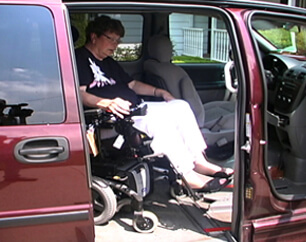
- Mobility challenges and transfers
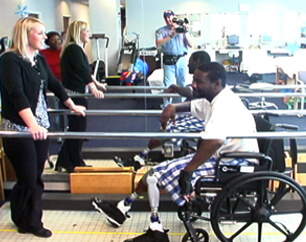
- Therapy sessions and medical care
- Medication management
- Assistance from caregivers or family members
- Work limitations or inability to work
- motional and physical responses to pain
The focus is accuracy and documentation rather than staging or dramatization.
Florida Litigation and Admissibility Considerations
In Florida litigation, Day in the Life videos may be used as demonstrative evidence when they fairly and accurately represent the injured person’s condition. Courts generally evaluate whether the footage is relevant to damages, whether it accurately reflects daily limitations, and whether the presentation is more informative than prejudicial.
Proper production standards are critical. The credibility of a legal video can be significantly affected by editing choices, narration style, scene selection, and whether the footage appears overly staged or emotionally manipulative.
For that reason, experienced trial attorneys often rely on legal video professionals who understand both visual storytelling and the evidentiary concerns surrounding demonstrative exhibits in mediation and trial preparation.
When Attorneys Use Day in the Life Videos
Most Day in the Life productions are created for use during mediation and settlement negotiations, where visual evidence can substantially influence how damages are evaluated. In many cases, these videos become one of the most impactful components of a mediation presentation because they allow decision-makers to observe limitations rather than simply read about them.
Attorneys also use these productions during expert review, trial preparation, and life care planning analysis. The videos often help organize complex medical and functional information into a format that is easier for juries, mediators, and insurance representatives to understand.
In catastrophic injury litigation, the strongest impact frequently occurs before trial, during high-stakes settlement discussions where the defense is evaluating exposure and potential jury response.
Day in the Life Video Services Throughout Florida
Forensic Video Law provides Day in the Life video production services throughout the State of Florida, including Jacksonville, Miami, Orlando, Tampa, Fort Lauderdale, West Palm Beach, Naples, Sarasota, Gainesville, Tallahassee, Pensacola, St. Petersburg, Fort Myers, and Daytona Beach.
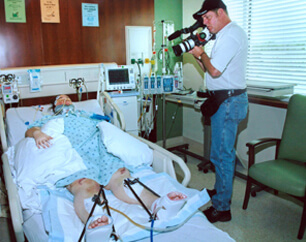
Productions are conducted in homes, hospitals, rehabilitation centers, long-term care facilities, and other environments relevant to the client’s daily routine and medical condition.
Because many catastrophic injury cases involve significant mobility limitations, filming is typically coordinated around the needs and comfort level of the injured individual and their family.
Why Attorneys Work With Forensic Video Law
Forensic Video Law focuses specifically on litigation-oriented video production designed for mediation, settlement, and trial preparation. The objective is not simply to document injuries, but to present them in a manner that is accurate, credible, and strategically effective within the context of litigation.
With decades of experience working alongside Florida trial attorneys, the production process is built around legal strategy, evidentiary awareness, and clear visual communication for non-medical audiences.
The result is a professional legal documentary that helps decision-makers understand the full human impact of catastrophic injury while maintaining the factual integrity required for serious litigation.
Frequently Asked Questions
- Q: What is a Day in the Life video in a legal case?
- A: A Day in the Life video is a professionally produced legal documentary that shows how an injury affects a person’s daily functioning. It captures real-world limitations such as mobility issues, chronic pain, need for assistance, and loss of independence, which are often not fully understood through medical records alone.
- Q: How are Day in the Life videos used in Florida litigation?
- A: In Florida personal injury and wrongful death cases, Day in the Life videos are primarily used during mediation and settlement negotiations. Attorneys also use them in trial preparation to help juries, mediators, and insurance adjusters understand the full impact of an injury beyond written documentation and testimony.
- Q: Are Day in the Life videos admissible in Florida courts?
- A: Yes, they can be admissible when properly produced and authenticated. Courts generally allow these videos as demonstrative evidence if they accurately represent the injured person’s condition, are relevant to damages, and are not misleading or overly prejudicial. Proper production standards are critical to admissibility.
- Q: What types of cases benefit from a Day in the Life video?
- A: These videos are most effective in catastrophic injury and long-term impairment cases, including traumatic brain injury, spinal cord injury, amputation, burn injury, medical malpractice, nursing home negligence, wrongful death, and severe accident cases. They are especially valuable when injuries result in permanent lifestyle changes.
- Q: How long is a typical Day in the Life video?
- A: Most Day in the Life videos range from 5 to 20 minutes depending on case complexity. Shorter videos are often used for mediation presentations, while longer versions may be used in trial preparation or detailed settlement documentation.
- Q: When should a Day in the Life video be produced?
- A: Timing depends on the case strategy. Many attorneys prefer filming after the client reaches maximum medical improvement, when long-term limitations are clearly established. In some cases, earlier documentation is useful if recovery status or daily struggles need to be preserved for litigation.
- What is typically shown in a Day in the Life video?
- A: These videos typically show daily routines such as waking up, mobility challenges, medical treatment, therapy sessions, medication management, caregiver assistance, emotional responses, and limitations in work or recreational activities. The goal is to document the real impact of injury on everyday life.
- Q: Can family members be included in the video?
- A: Yes. Family members and caregivers are often included to show the broader impact of the injury. This may include caregiving responsibilities, emotional strain, and changes in family dynamics caused by the injury.
- Q: Why are Day in the Life videos effective in settlement negotiations?
- A: They create visual clarity that medical records cannot provide. Insurance adjusters and defense attorneys often see thousands of pages of documentation, but video evidence allows them to immediately understand the severity and real-life consequences of an injury, which can influence settlement value discussions.
- Q: What makes a professionally produced legal video different from a regular video?
- A: A professional legal video is produced with litigation strategy in mind. It is structured, legally defensible, and designed to fairly and accurately represent the subject’s condition. It is not simply documentation — it is demonstrative evidence built for mediation, trial preparation, and settlement discussions.
- Q: How do railroad or corporate injury cases use these videos?
- A: In complex litigation such as railroad injury cases, including FELA claims involving companies like CSX, Day in the Life videos are used to demonstrate catastrophic workplace injuries, long-term disability, and loss of earning capacity. These cases often involve high-value claims where visual evidence plays a major role in settlement negotiations
Ready to Show the Truth in Florida?
Don’t let your client’s suffering be reduced to words on paper. Let us help you show what they live through — every single day in Florida.
Call today: (904)716-5149 or email James