Settlement Documentary & Mediation Video Services
Presenting the facts of your personal injury, wrongful death, or medical malpractice case in a concise, factual and emotionally compelling documentary gives the defense a look at what you are prepared to do at trial. Be prepared and let's settle your case!


Settlement Documentary (Mediation Video) Production for Attorneys
Forensic Video Law produces professional video settlement documentaries and mediation videos for attorneys handling catastrophic injury, wrongful death, medical malpractice, and complex litigation cases nationwide.
Settlement documentaries (also called mediation documentaries or mediation videos) combine everything that matters in your case into one powerful visual presentation. We're talking expert testimony, day-in-the-life footage, medical animations, before-and-after comparisons, and damage projections. All of it edited together to show the defense exactly what they're facing.
This isn't about creating a feel-good video. It's about presenting your case with the same impact you'd deliver at trial, but compressed into 10-15 minutes that opposing counsel can't ignore. In 33 years, we've helped attorneys secure over $1.6 billion in settlements. Settlement documentaries work because they eliminate the defense's ability to minimize, dismiss, or misunderstand the damages you're claiming.
What is a Settlement Documentary?
A settlement documentary pulls together every piece of evidence that matters, including expert witness interviews, medical records, liability analysis, and AI video enhancement when critical footage requires clarification. All presented as one cohesive narrative.
Think of it this way: you could send a 50-page demand letter with medical records, expert reports, and treatment summaries. Or you could show them a 12-minute video where the neurosurgeon explains the injury on camera, they watch your client's daily struggles, and the damage calculations are laid out clearly. Which one do you think gets the defense's attention?
These videos work best in catastrophic injury cases, wrongful death claims, medical malpractice, and any case where the damages are substantial enough that you need to justify a seven or eight-figure demand. When the defense needs to understand why your number is your number, a settlement documentary video does the job.
We produce these for attorneys nationwide. The goal is always the same: settle the case for what it's worth.
Cases That Benefit from Settlement Documentary Videos
- Catastrophic injury litigation
- Wrongful death claims
- Medical malpractice lawsuits
- Traumatic brain injury cases
- Spinal cord injury litigation
- Product liability cases
- Nursing home negligence
- Commercial trucking accidents
- Maritime injury claims
- Burn injury cases
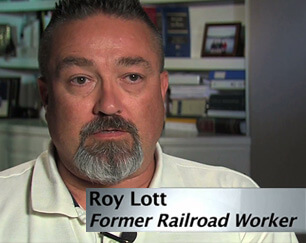
Mediation Documentary: Railroad Taxi Case
What Goes Into Our Settlement Documentaries
Every case is different, so every settlement documentary is custom-built. But most include these elements:
Professional narration. We guide viewers through the case without editorializing. Facts only, presented clearly.
Day-in-the-life footage We show what your client's daily reality looks like. Medical treatments, therapy sessions, struggles with basic tasks, care needs. Authentic documentation, not staged performances.
Expert witness testimony. On-camera interviews with treating physicians, life care planners, vocational experts, liability specialists. They explain complex concepts in language that makes sense.
Before-and-after contrast. Family photos, home videos, testimony showing what life was like before the injury. The contrast speaks for itself.
Medical records and imaging. We present medical documentation visually so non-medical audiences can understand it.
3D animation when needed. For complex injuries, surgical errors, or accident reconstructions that need visual explanation.
Damage projections. Future care costs, lost wage calculations, and economic impact presented clearly and persuasively.
Family testimony. Spouses, parents, kids, caregivers who can explain how everything changed.
Everything is filmed with broadcast-quality equipment and edited for courtroom admissibility. We follow rules of evidence. We coordinate with your trial strategy. The video strengthens your case. It doesn't create evidentiary problems.
How Settlement Documentaries Increase Settlement Value
We don't have to guess whether these work. The numbers tell the story: $1.6 billion in settlements over 33 years.
Here's why they work:
They eliminate doubt. Written demands leave room for interpretation. Video doesn't. When the adjuster watches your client struggle to get dressed, hears the treating physician explain permanent limitations, and sees the damage calculations laid out clearly, there's no ambiguity left.
They create pressure. Defense counsel knows what a jury will see. A well-produced settlement documentary gives them a preview. That changes their settlement calculus immediately.
They prove you're ready. Producing a settlement documentary signals you've invested in trial preparation. You've locked in expert witnesses. You've documented everything. You're not bluffing about going to trial.
They speed things up. Instead of weeks of back-and-forth demands and counteroffers, you present everything at once. The defense can make an informed decision without dragging out negotiations.
They level the field. Your client gets the same production quality that major corporations bring to litigation. The insurance company doesn't get to outspend you on presentation.
Settlement Documentary vs Day-in-the-Life Video
Both are powerful tools. They serve different purposes.
Day-in-the-life videos focus on one thing: showing what your client's life looks like now. Morning routines, medical appointments, therapy, struggles with daily tasks. It's experiential. No heavy narration, no expert explanations. Just documentation of reality.
Video Settlement documentaries are comprehensive. They include day-in-the-life footage but also add expert testimony, liability analysis, medical records, damage projections, the full story. It's everything you'd present at trial, condensed.
When to use day-in-the-life alone:
- Damages are visually obvious
- Budget requires picking one
- Trial strategy emphasizes emotional impact over expert testimony
When to use a settlement documentary:
- Complex liability or medical causation needs expert explanation
- Future damages require detailed justification
- Settlement value is high enough to justify comprehensive presentation
- Multiple damage categories need coordinated presentation
When to use both: Many attorneys commission both. The day-in-the-life footage gets used in the settlement documentary, but you also have the standalone version for specific courtroom or mediation uses.
We'll help you figure out what makes sense for your case.
Nationwide Service
We're based in Jacksonville, Florida. We travel everywhere.
Atlanta, Charlotte, Savannah, Washington DC, Miami, Orlando, Tampa, Raleigh, Charleston, Richmond, Nashville, Birmingham. We film in major cities and rural areas across the country. We handle travel, equipment, local coordination. You shouldn't have to worry about logistics.
Thirty-three years of experience means we know regional differences in evidentiary standards and settlement practices. We've worked with trial attorneys in jurisdictions coast to coast. Same production quality whether you're in a major metro or a small town.
Ready to discuss your case? Call 904-716-5149.
FAQs
Q: What's the difference between a settlement documentary and a mediation documentary?
A: Nothing. Same service, different names. Some attorneys say mediation documentary, others say settlement documentary. We answer to both.
Q: What does it cost?
A: Every case is different. Production costs depend on complexity, filming locations, number of experts, animation requirements, and timeline. Call us at 904-716-5149 to discuss your specific case and get a detailed quote.
Q: Can these be used at trial?
A: Yes, when produced correctly. We follow rules of evidence. We work with your team to ensure admissibility. The video can be used ...alongside video depositions and other litigation presentation materials to drive settlement and serve as trial evidence if settlement fails.
Q: Do you travel nationwide?
A: Yes. We come to your client wherever they are. We handle all logistics.
Q: Can you use existing footage?
A: Absolutely. Home videos, surveillance footage, medical imaging, deposition clips. We incorporate and professionally edit existing materials all the time.
Q: What if my client is uncomfortable on camera?
A: Thirty-three years means we've worked with clients in pain, self-conscious about injuries, camera-shy. We work at their pace. We create comfortable filming environments. Authentic documentation of genuine struggles is what works. Not performances.
Related Litigation Video Services
- Day-in-the-Life Videos
- Video Depositions
- AI Video Enhancement
- Site Inspection Video
- IME / CME Video Documentation
We settle cases. Call 904-716-5149 to discuss how a settlement documentary can maximize your client's recovery.